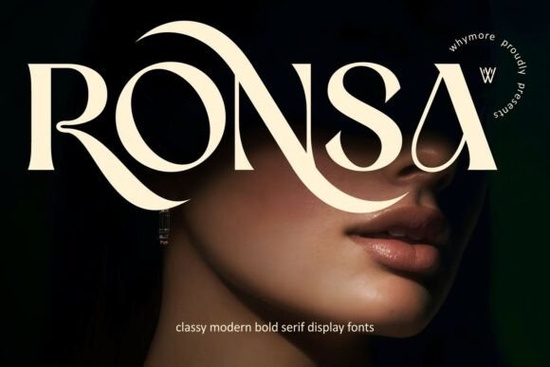
Looking for a bold serif font that feels both modern and luxurious? Ronsa Font is a high-contrast serif typeface designed to bring a strong, elegant presence to logos, branding, packaging, and editorial layouts. Its refined curves and distinctive letterforms make it a solid choice for anyone working on premium design projects whether that's for print, digital, or merchandise.
In this article, I'll walk you through what makes Ronsa a strong pick, who it's best suited for, and how you can put it to work in your next project.
What Makes Ronsa Font Stand Out?
Ronsa is built with bold structure and high-contrast strokes, which means it catches the eye without looking heavy or cluttered. The letterforms have a refined quality each curve and edge is carefully shaped to maintain balance between modern sophistication and timeless appeal.
Here are a few things that set it apart:
- Strong visual weight ideal for headlines, logos, and display text
- Clean, elegant curves gives text a polished, high-end feel
- Works across media performs well in both print and digital formats
- Versatile personality feels at home in luxury branding or editorial design
If you've been exploring elegant serif options for your design toolkit, Ronsa fits right into that space with a bolder, more commanding presence.
Who Should Use Ronsa?
This font is a practical pick for a range of creative professionals and hobbyists:
- Logo designers who need a typeface that communicates quality and trust
- Print-on-demand sellers creating designs for mugs, tote bags, or apparel
- Small business owners building brand identities from scratch
- Editorial and layout designers working on magazines, lookbooks, or catalogs
- Crafters and hobbyists who want a polished serif for invitations, cards, or posters
Whether you're designing for a client or for your own shop, Ronsa gives you a typeface that looks professional without being stiff or generic.
What Types of Projects Work Best with Bold Serif Fonts?
Bold serifs like Ronsa are especially effective when you need text to command attention while still feeling refined. Some common use cases include:
- Luxury logos for fashion, beauty, jewelry, or lifestyle brands
- Packaging design especially for premium or boutique products
- Social media graphics bold serifs read well at small sizes on screens
- Wedding and event stationery adds elegance without overcomplicating the design
- Book covers and magazine headers strong presence for editorial layouts
For projects that call for something slightly softer, a serif with more subtle warmth might be worth considering alongside Ronsa.
How Does Ronsa Compare to Other Serif Fonts?
There are plenty of bold serif fonts available, but Ronsa holds its own because of its clean geometry and high contrast. It doesn't try to be overly decorative instead, it focuses on readability and visual strength.
If you're building a font collection for branding work, pairing Ronsa with something more delicate can create a nice visual hierarchy. For example, a flowing serif style works well as a secondary typeface alongside Ronsa's bold structure.
You can also check out a strong display serif if you want another option with a similar weight but a different personality. Having a few bold serif choices on hand gives you flexibility when matching a font to a brand's tone.
Explore more serif fonts in this style to see how Ronsa compares in real project contexts.
Where Can You Download Ronsa?
You can find Ronsa Font on Creative Fabrica. The platform offers a wide range of design resources fonts, graphics, templates, and more that are useful for designers, crafters, and small business owners alike.
For more details about the font and its full character set, visit the official Ronsa Font product page.
Quick Checklist Before You Start Designing
- Define your project type Is it a logo, packaging, social media post, or print layout?
- Choose complementary fonts Pair Ronsa with a clean sans-serif or a lighter serif for contrast
- Test at different sizes Make sure your heading and body text are both readable
- Check licensing Confirm the font license covers your intended use (commercial, POD, etc.)
- Preview on mockups Place your text on real-world templates to see how it looks in context
Tip: Before finalizing any design, print a test copy or preview it at 100% zoom. Bold serifs can look different at various sizes, and it's worth checking how the weight reads in your final format.
Get Started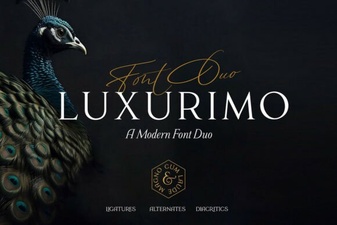 Exploring the Elegance of Luxurimo Font
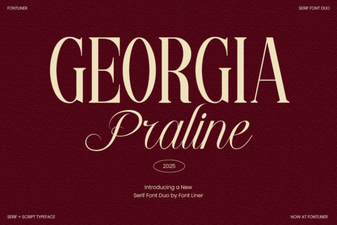 Georgia Praline Font: Elegant & Readable Typeface
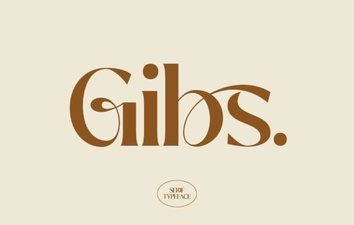 Gibs Font: a Bold Display Typeface for Creative Projects
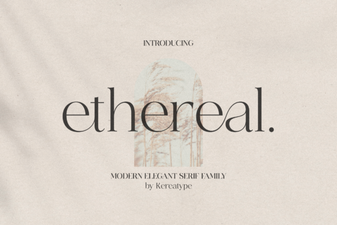 Ethereal Font: Elegant Typefaces for Dreamy Design Projects
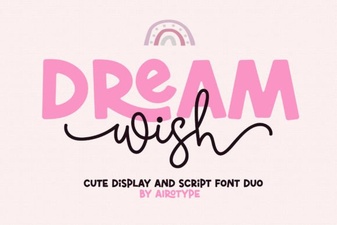 Dream Wish Font – Elegant Script Font for Creative Designs
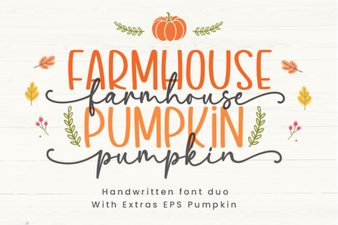 Farmhouse Pumpkin Script Font Free Download