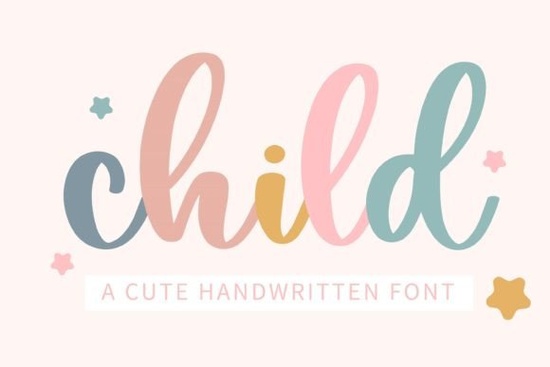
The Child Font is a sweet, cute handwritten typeface that brings a warm, personal feel to any design. It has a naturally flowing style with rounded letterforms that look hand-lettered without being messy. If you need a font that feels friendly and approachable, this is a solid pick for projects like wedding invitations, nursery wall art, greeting cards, and social media posts.
What Can You Use the Child Font For?
This font is surprisingly versatile. Because the letterforms are clean and readable even at smaller sizes, you can use it across a wide range of projects:
- Wedding invitations Its gentle script style pairs beautifully with elegant layouts.
- Stationery and greeting cards Perfect for thank-you cards, birthday invitations, and baby shower designs.
- Social media graphics Add a personal, handcrafted look to Instagram posts, Pinterest pins, or Facebook headers.
- Print-on-demand products Works nicely on mugs, tote bags, t-shirts, and posters.
- Blog headers and website accents Gives your pages a friendly, approachable tone.
If you sell on Etsy or run a small creative business, having a font like this in your toolkit means you always have something ready for projects that call for warmth and charm.
How Does It Compare to Other Handwritten Fonts?
There are plenty of handwritten fonts out there, and the right one really depends on the mood you're going for. The Child Font leans sweet and playful, which sets it apart from more casual or rustic styles.
For example, if you love the handwritten look but want something with a more relaxed, everyday feel, a casual handwriting font might be what you're after. On the other hand, if you're working on a fall-themed design with a cozy farmhouse vibe, the farmhouse pumpkin font brings that warm, seasonal character.
When your project calls for something fun and colorful, a Rainbow font can add that playful energy. And for designs where you want a clean, modern script with a bit of flair, the Saturday font is worth checking out.
If you're pairing fonts together say, for a wedding invitation with a heading and body text something like the Randy Sofia font can complement a handwritten style nicely, giving your layout both personality and structure.
Tips for Getting the Best Results
A few practical things to keep in mind when working with the Child Font or any handwritten typeface:
- Give it room to breathe. Handwritten fonts look best with generous line spacing and letter spacing. Cramping them makes the text harder to read.
- Use it for headlines and accents, not long paragraphs. A short phrase or heading in a handwritten font looks great. A full page of body text in script? Not so much.
- Pair it with a simple sans-serif. Fonts like Montserrat, Open Sans, or Lato balance out the personality of a handwritten style without competing for attention.
- Check the license. If you plan to sell products featuring this font, make sure you understand the licensing terms. Creative Fabrica typically includes a commercial license, but it's always smart to double-check.
Is the Child Font Right for Your Project?
If your design needs a touch of sweetness and a hand-lettered feel, the Child Font is a great fit. It's especially well-suited for projects targeting parents, brides-to-be, or anyone who appreciates a soft, friendly aesthetic. It won't work for every design if you need something bold, edgy, or ultra-modern, you'll want to look elsewhere. But for the right project, it adds exactly the kind of warmth that makes a design feel personal and thoughtful.
Quick Checklist Before You Start Designing
- ✅ Download the font and install it on your system
- ✅ Test it at the size you plan to use check readability
- ✅ Pair it with a complementary sans-serif for body text
- ✅ Adjust letter spacing and line height for a clean look
- ✅ Confirm the license covers your intended use (personal or commercial)
- ✅ Save your working files so you can easily make edits later
Take a few minutes to experiment with different pairings and layouts. Sometimes the best designs come from simply trying the font in a few different contexts until something clicks.
Learn More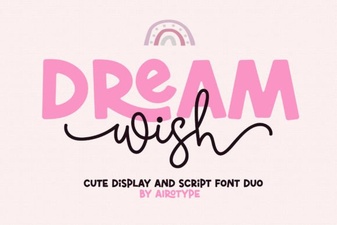 Dream Wish Font – Elegant Script Font for Creative Designs
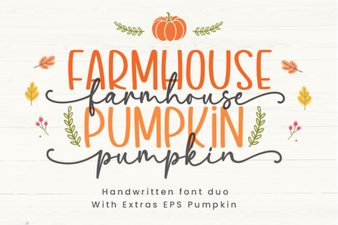 Farmhouse Pumpkin Script Font Free Download
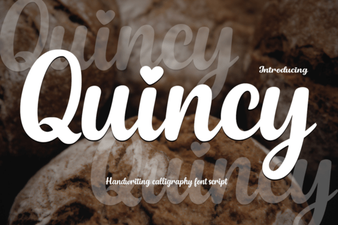 Quincy Font - Elegant Script Font for Creative Design Projects
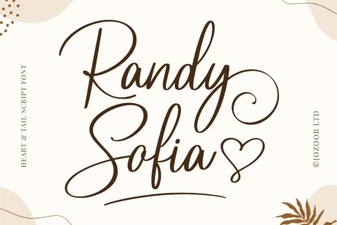 Randy Sofia Font: Elegant Display Typography for Creative Projects
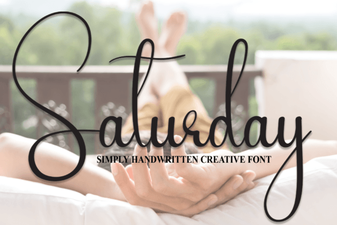 Saturday Font – a Creative Display Typeface for Bold Designs
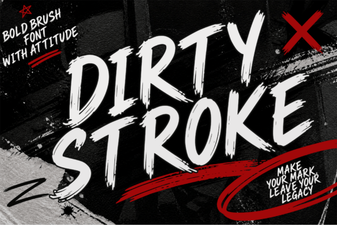 Explore Bold and Edgy Dirty Stroke Font Styles for Design